


A History of French Polynesia by Jacques Fournier
Author: Jacques Fournier
Genre: History
Pages: 152
Why I Read This Book
As we sail through French Polynesia and spend time with the locals, I find myself asking more and more questions. How did the first Polynesians find these remote islands in the middle of the Pacific? When did they arrive? Were they always Christian, or what did they believe before missionaries came? Why is French Polynesia part of France today, and why is French spoken throughout the islands?
What better way to answer these questions than by diving into the history of French Polynesia itself? This book takes the reader on a journey from the arrival of the first Polynesian navigators thousands of years ago all the way to modern-day French Polynesia. Along the way, it explores the islands' culture, traditions, religion, encounters with European explorers, colonial history, and the events that shaped the society we see today.
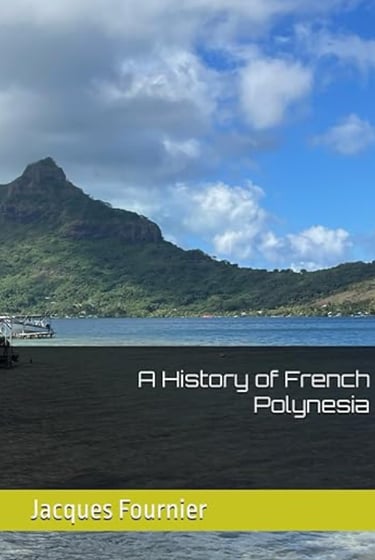
What the Book Is About
A History of French Polynesia traces the history of the islands from the arrival of the first Polynesian navigators to the modern era. The book explores the development of Ma'ohi culture, early navigation and settlement, European contact, missionary influence, French colonization, the nuclear testing era, and the ongoing evolution of Polynesian identity and autonomy.
What I Learned
One of the most fascinating aspects of the book is learning how the first Polynesian voyagers crossed vast stretches of the Pacific using only their knowledge of stars, winds, currents, and ocean swells, wisdom passed down through generations. It also explores the culture and beliefs of the early Polynesian people, and how the first European explorers arrived, interacting with the islanders and often using the islands for their own strategic and political purposes. The book gives a clear overview of how French Polynesia became involved in major historical events, including the world wars and later the era of nuclear testing in the Pacific. It makes you reflect on the colonial period, its so-called benefits, but also the deep and lasting damage it caused to local cultures and identities.
What I Liked
The book covers a large span of history in a relatively short number of pages. It is easy to read and provides a solid introduction to many important topics without becoming overly academic. It also includes many Mā'ohi words, which adds authenticity and helps bring the local culture and language to life. For anyone preparing to visit or sail through French Polynesia, it offers valuable historical context that makes the islands feel like much more than just a beautiful destination. Instead, it helps you feel more connected to the islands and to the people who have called them home for generations.
What I Didn't Like
Because the book attempts to cover over a thousand years of history in a concise format, some topics feel abbreviated. Readers looking for detailed analysis of specific islands, historical events, or cultural traditions may find themselves wanting to dive deeper into certain subjects.
Who Should Read It?
Sailors and cruisers exploring the South Pacific
Travelers visiting French Polynesia
Anyone interested in an overview of Polynesian history and culture
Readers looking for an accessible introduction to the region
Final Verdict
This is a great introductory history of French Polynesia. I really enjoyed reading it, and it was fascinating to get such a comprehensive overview of the islands, from the arrival of the first settlers all the way to the present day. It provides a broad but coherent understanding of how French Polynesia developed over time, making it an engaging and insightful read for anyone wanting to better understand the region.
Rating: ★★★★☆ (4.5/5)
Would I Recommend It? Yes!