


One giant step for us one small leap for mankind
First Stop: Mo'orea
A small island just 10 nautical miles away would be the start of our adventure. Mo'orea was an island I had already sailed to before, yet leaving Tahiti knowing there was no going back still felt nerve-wracking. When we received confirmation on Tuesday that our sail would be delivered, and saw in the wind forecast that Wednesday would bring a steady 15 knots from the south-southwest, the decision was easy. We would leave on Wednesday, aiming for the high tide around 2 p.m.
The morning disappeared surprisingly quickly. We made one final trip to the sailing store to pick up engine coolant and new paddles for the dinghy. After the strong winds and waves we had experienced recently, one of our paddles had mysteriously disappeared somewhere along the way. After that came the final chores: filling our water canisters, throwing away the last bags of trash, and returning our marina keys. That was the moment it suddenly became real. As we sat in the dinghy heading back to Tauha, both of us had the same mix of excitement and nervousness in our stomachs. After all the preparation, planning, repairs, and waiting, our adventure would finally begin today.
Back on board, we decided to trust the old genoa for one more short trip and hope it would survive, since the wind was still too strong to get the new Genoa up. What could possibly go wrong? We lifted the dinghy aboard, dug our life jackets out of the locker, started up the navigation systems, and by 12:30 p.m. we were ready to leave. Well... almost.
Leaving the mooring turned out to be more difficult than expected. The wind was blowing hard enough that simply untying ourselves became a challenge. I was carefully trying to keep the boat moving forward and pointed in the right direction using the motor, while Alex wrestled with knots and lines. Meanwhile, the wind seemed determined to push us first one way and then the other. With the reef behind us and other boats around us, stress levels rose slightly. Eventually, however, the lines surrendered. We made our way toward the channel and passed through without any problems. And just like that, we were off. Off into the adventure we had dreamed about for so long.
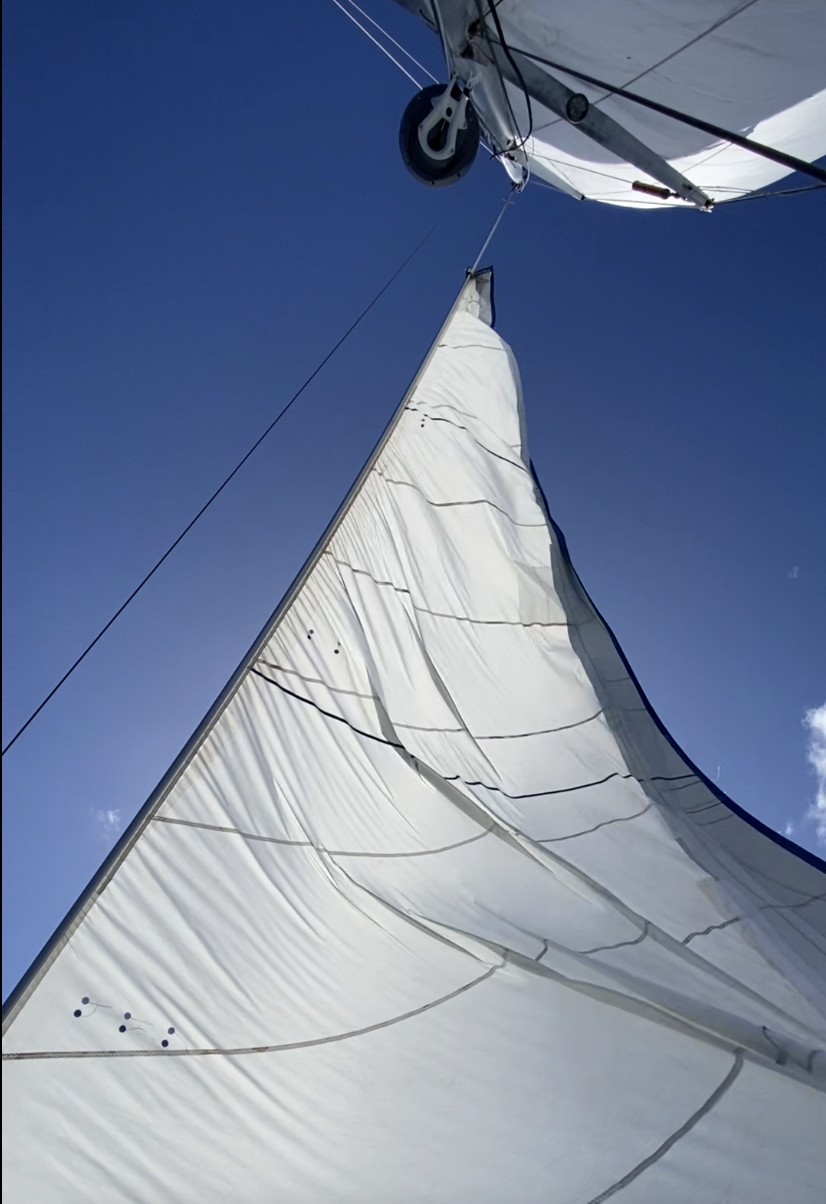
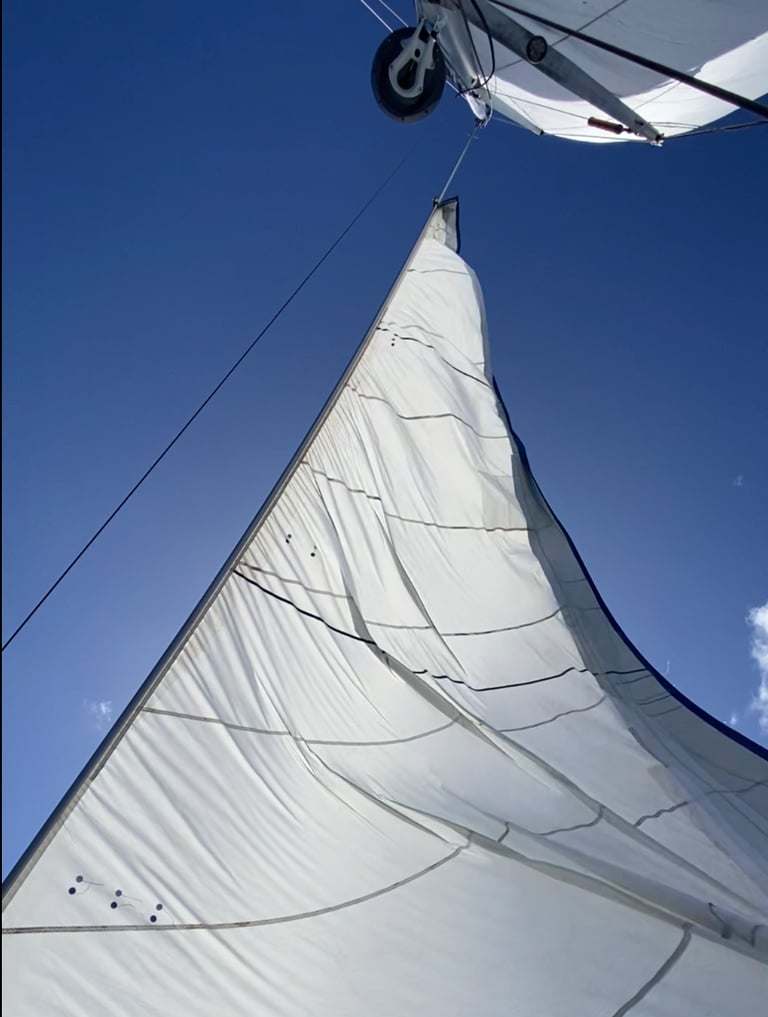
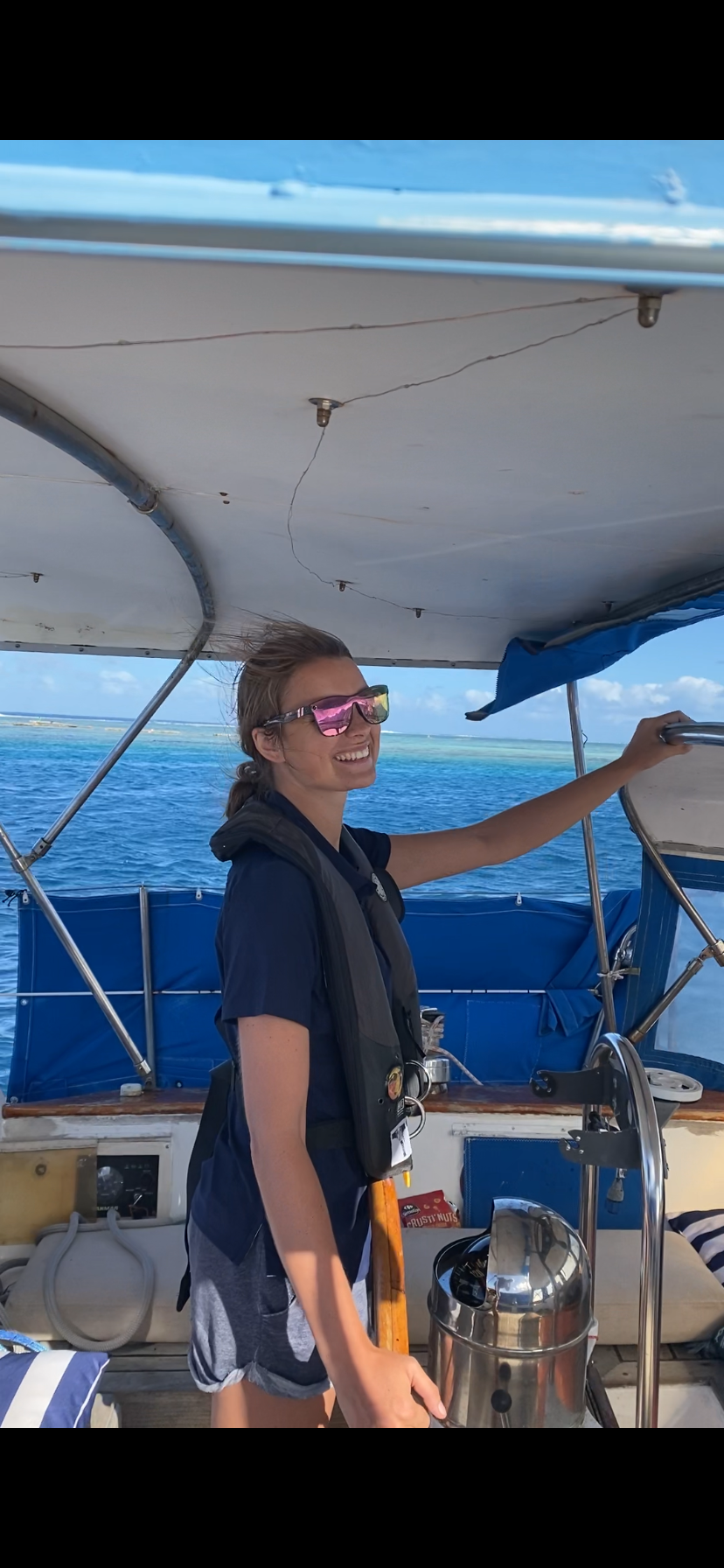
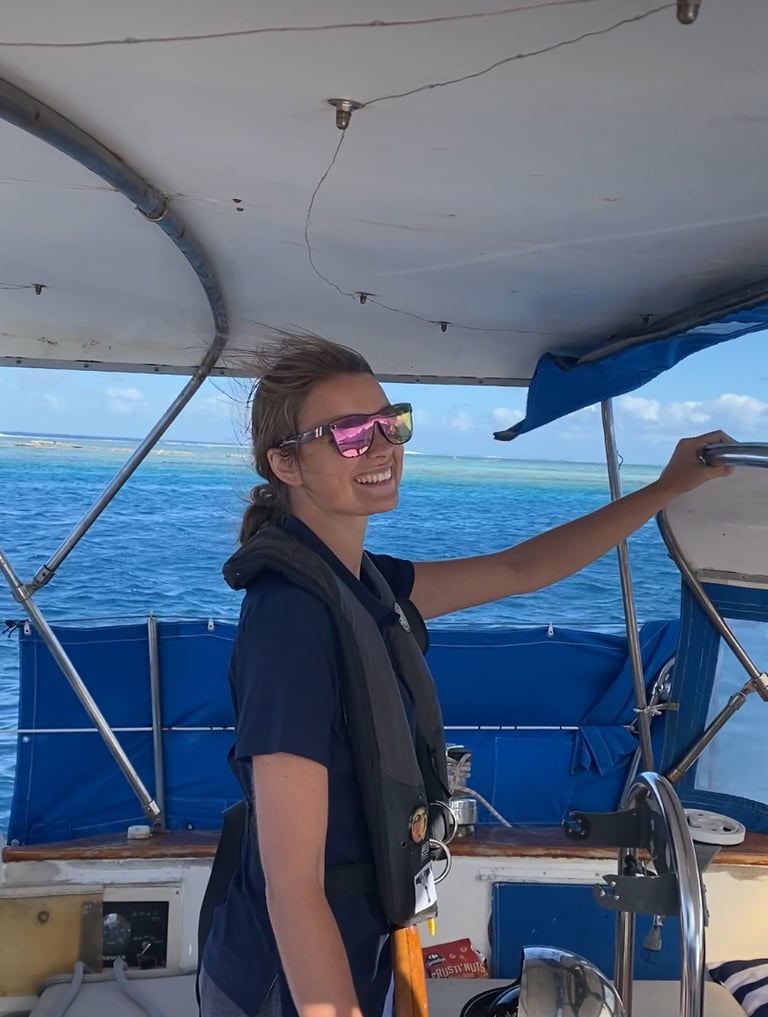
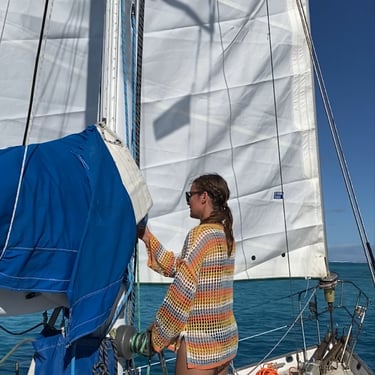
We hoisted the sails. I took the helm while Alex handled the sail trim. Two to three meter waves were rolling in from behind and slightly to the side, making the crossing a little challenging for the stomach. Despite my tendency to get seasick, I managed the entire trip while steering and navigating. That alone gave me confidence for the many passages still to come. The wind pushed us along nicely and we made good speed toward Mo'orea. About halfway across, I noticed that the top part of the genoa was flapping much more than it should have been. I asked Alex to take a look and make sure nothing was about to tear. He looked up. "Everything seems fine." A second later he added a very different sounding: "Oh." That is never a sound you want to hear from someone inspecting a sail. The halyard holding up the genoa had somehow become detached from the sail. The sail wasn't coming down completely, but without the halyard attached we could no longer put proper tension on it. Not ideal.
To solve the problem, we rolled the genoa partially in, almost like reefing it, which allowed us to get enough tension back into the sail. It wasn't perfect, but it worked, and we continued on our way.
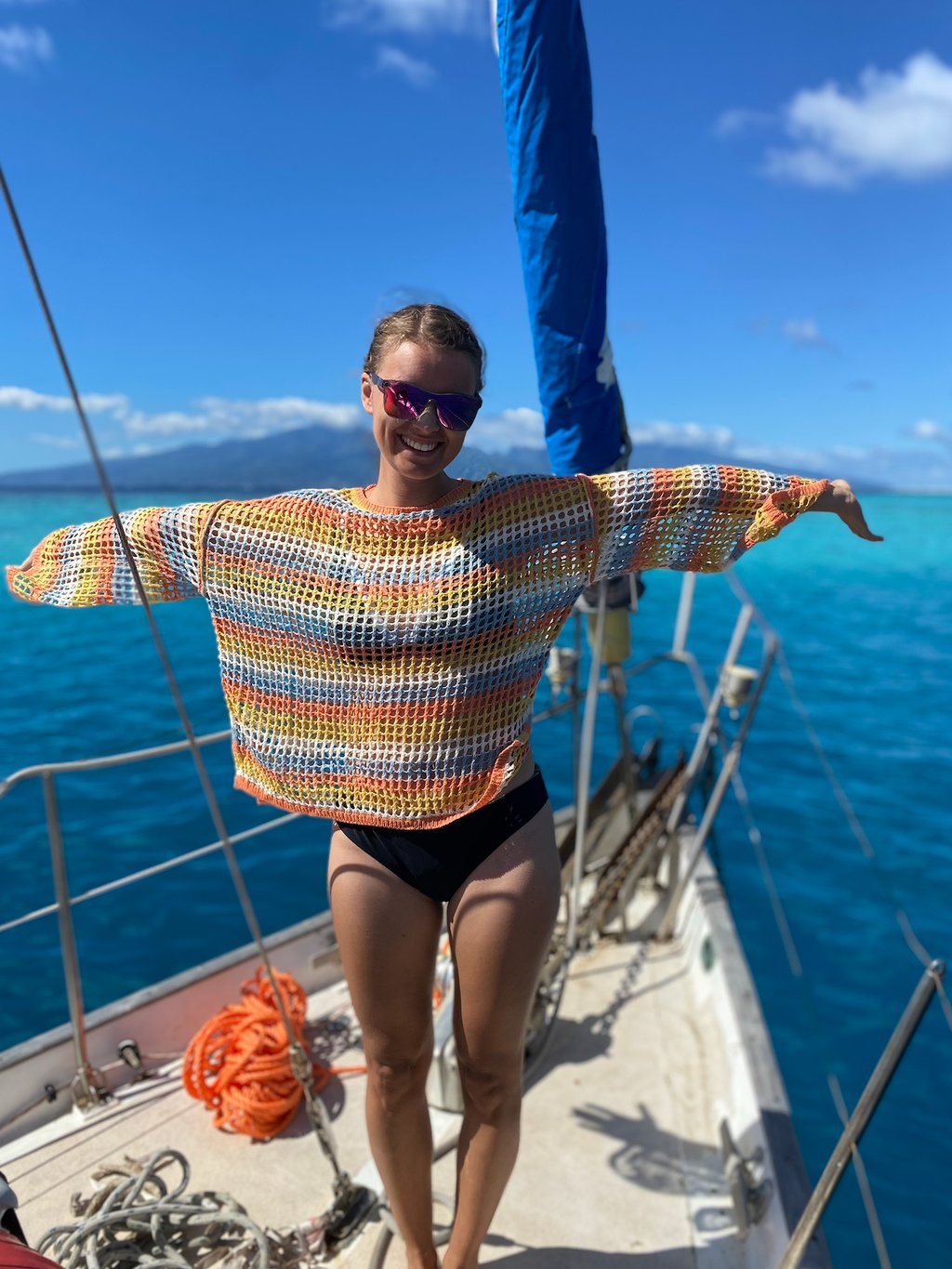
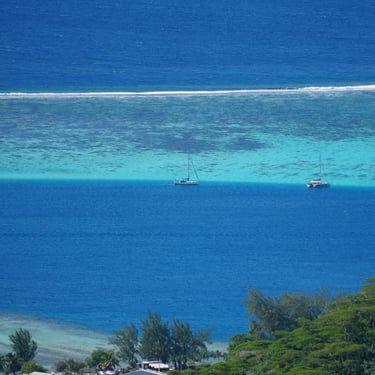
Just two hours after leaving Tahiti, we were already approaching the entrance to Mo'orea's Vaiare Lagoon. This is also where the ferry from Tahiti arrives, and ferries have a simple rule: they don't stop for sailboats. So we politely waited while the ferry came through the pass before making our own way through the reef. The next challenge was anchoring. This would be the first time Alex and I anchored together. The anchorage itself was a little tricky because the seabed drops very steeply from shallow water into much deeper water. You always want enough anchor chain out for the anchor to hold properly, but more chain also means a larger swinging circle. Eventually we settled in about five meters of water and dropped the anchor. It held immediately. Perfect.
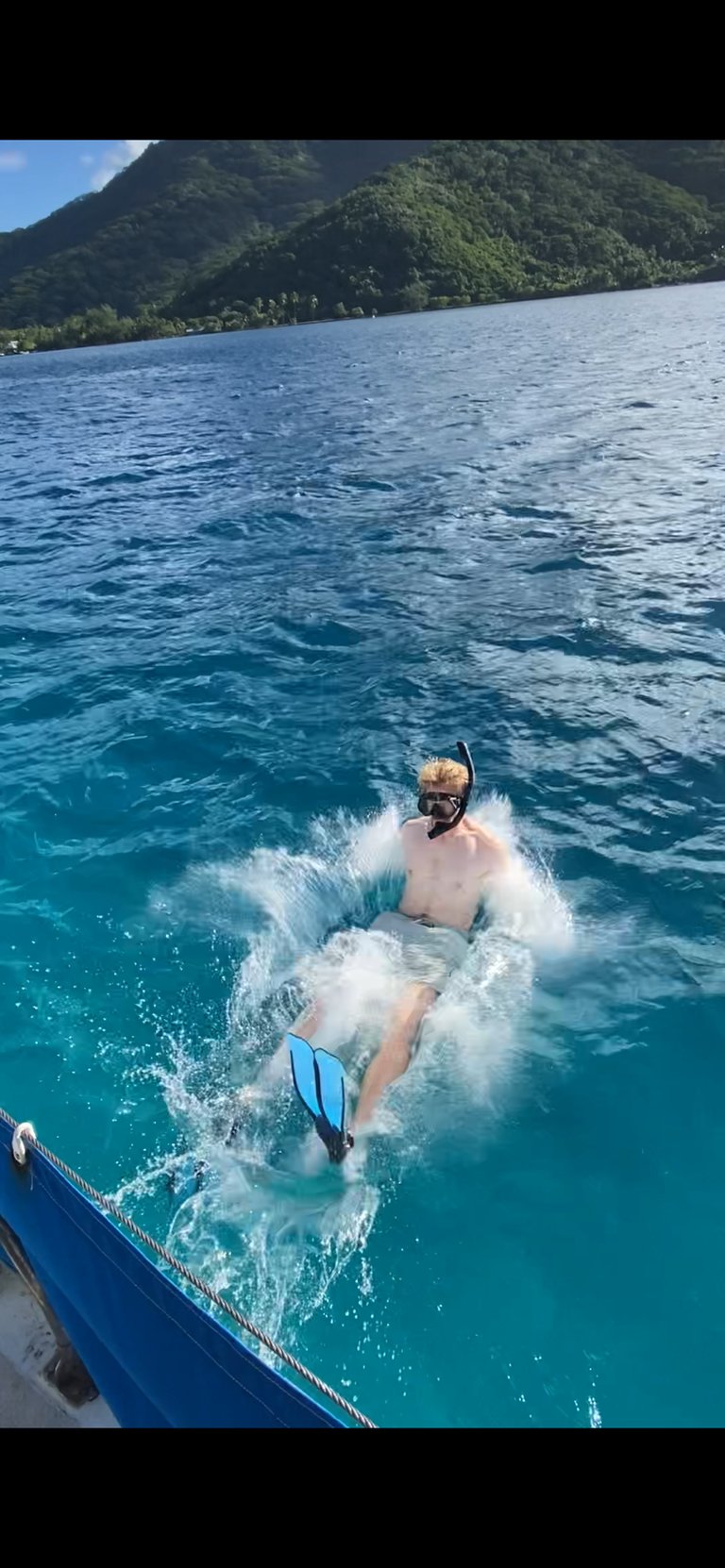
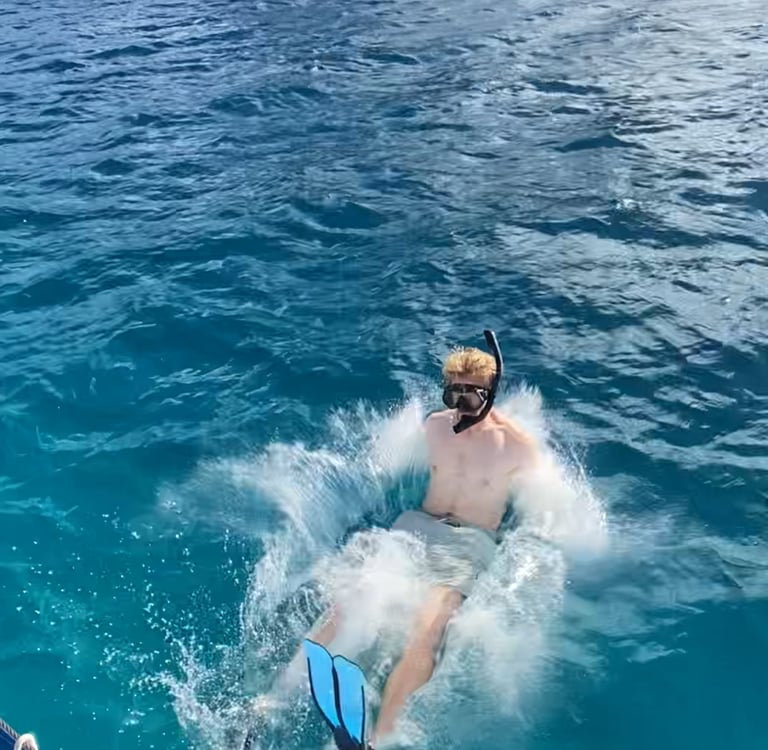
The anchorage was calm, there was hardly any wind, and the sun was shining. It genuinely felt like we had just sailed into paradise. We decided not to do much else that day. Instead, we sat on the bow with a cold beer, looked out at the incredible scenery, and tried to process the fact that we had finally done it. We were no longer preparing. We were actually out here. Naturally, a swim followed shortly afterward.
That evening we set our anchor alarm, which uses GPS to alert you if the boat moves outside a defined circle around your anchor position. Unfortunately, that was not what woke me up. Instead, I heard a deep "wumm" from underneath the boat. Then another. I rolled over to wake Alex but quickly realized he wasn't in bed. That was not a good sign. The moment I came on deck, I already knew what was happening. The wind had shifted. Because we had so much anchor chain out, the boat had swung around and drifted into shallower water. With every wave, our keel was now touching the sandy bottom. Time to move. While Alex prepared the charts, I started the engine and tried to figure out where exactly we should go in the pitch darkness. A few moments later Alex was on the bow lifting the anchor. And suddenly there we were: no anchor down, strong wind, darkness all around, and a reef nearby. Stay calm. First things first, we motored away from the reef. Then we came up with a new plan. We would anchor slightly farther out on the sandbank and use a little less anchor chain. The first attempt felt too close to another boat, so we abandoned it and made another loop around. On the second try, the depth sounder showed around ten meters. "Drop it." Alex released the anchor and I immediately put the engine into reverse to make sure it dug in properly. Right about then it started raining. Because apparently the situation wasn't dramatic enough already. Fortunately, the anchor set perfectly. We stayed on deck for another half hour, watching the chart, the depth sounder, and the anchor alarm. Everything looked stable. Finally, we returned to bed. Neither of us slept particularly well. Every little noise suddenly sounded suspicious. Even a floating coconut bumping against the hull was enough to send Alex flying out of bed to investigate. By morning, however, we were still exactly where we had anchored. Success. What a first night.
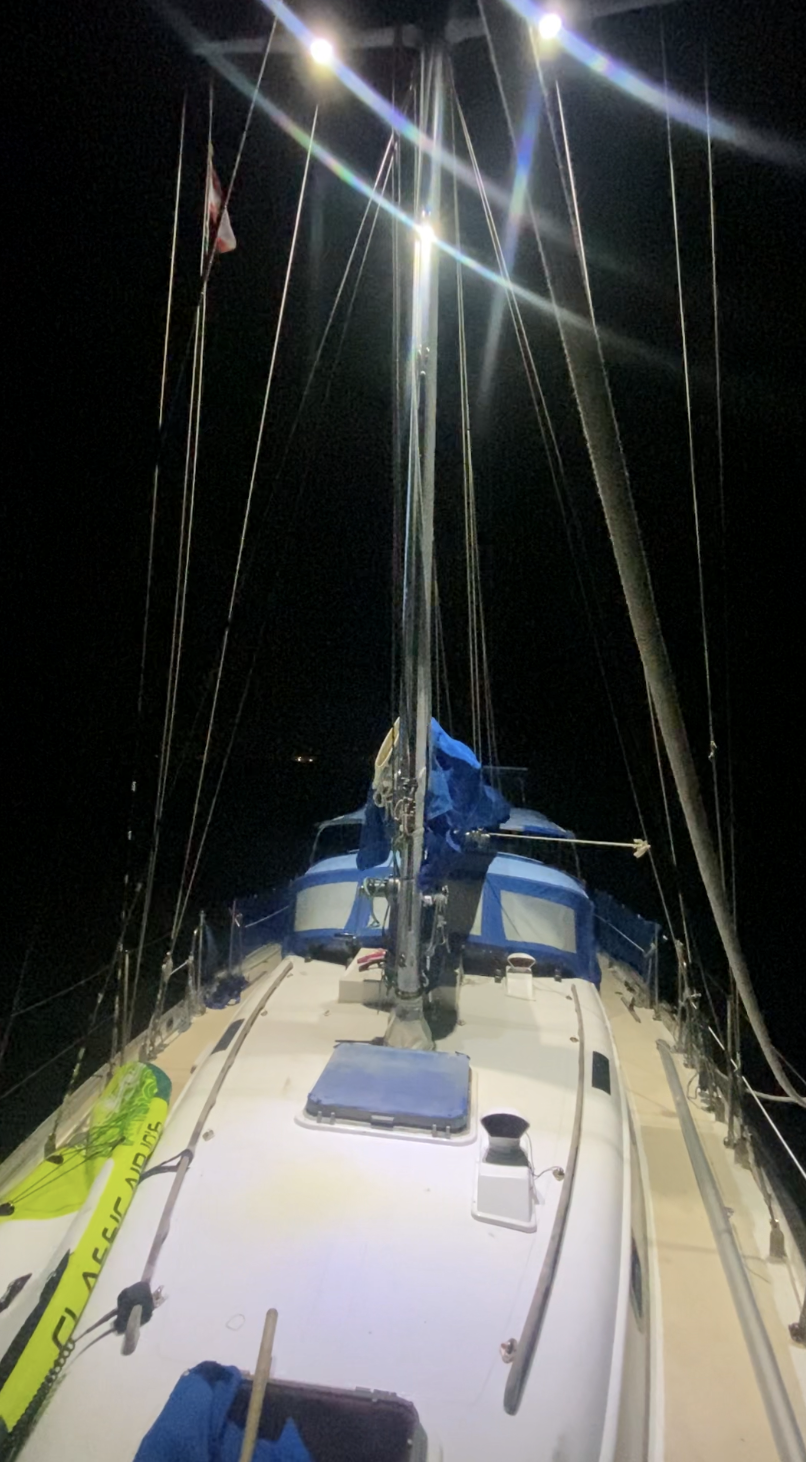
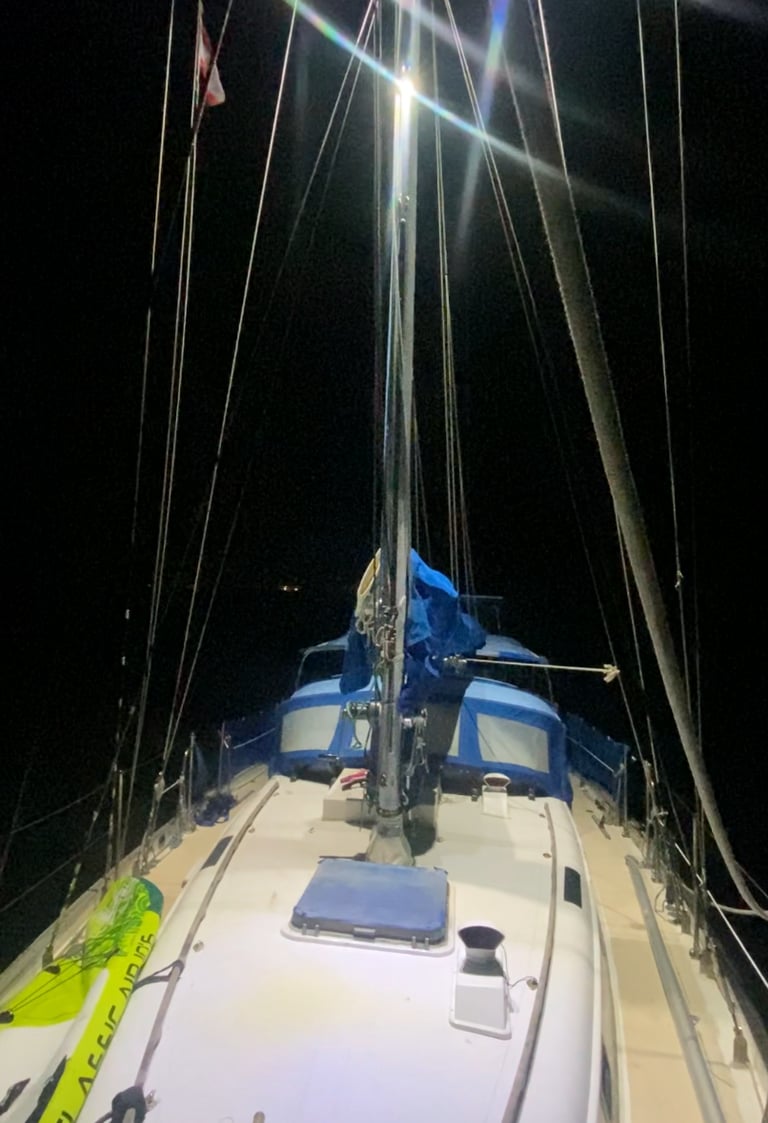
The next morning Alex took the dinghy over to our neighbors. After our midnight re-anchoring adventure, we were now parked relatively close to them. He wanted to apologize for any noise and make sure they were comfortable with our position. As it turned out, they were a lovely family from Switzerland. The father even shared some cruising advice and recommendations for places to visit around French Polynesia, which we gladly accepted. The rest of the day was spent finally installing the new genoa. It fit perfectly and looked fantastic. We also managed to get the halyard back through the mast and, everything worked exactly as intended. We completed a few dinghy repairs, went for a short snorkeling and paddleboarding session, and enjoyed a much calmer day than the previous one. That evening, the lack of sleep caught up with us and we fell asleep almost immediately.
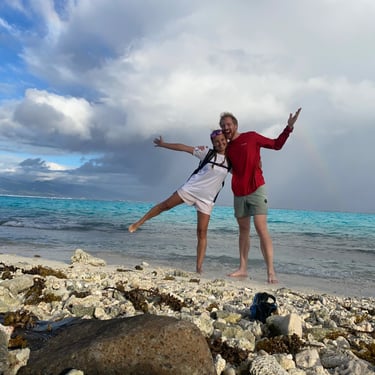
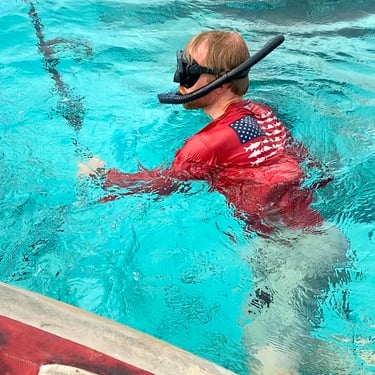
The following day we planned to go hiking. The island had other plans. Clouds and rain rolled in, so instead we spent the day doing route planning and catching up on documentation. We discussed which islands we wanted to visit next, when we wanted to leave, and how customs procedures would work when eventually left French Polynesia. Later we took the dinghy to the beach. It felt wonderful to stretch our legs after spending so much time on the boat. Alex went snorkeling while I stayed in the dinghy. The current was incredibly strong, and together we drifted through the coral reef without any need for actual swimming.
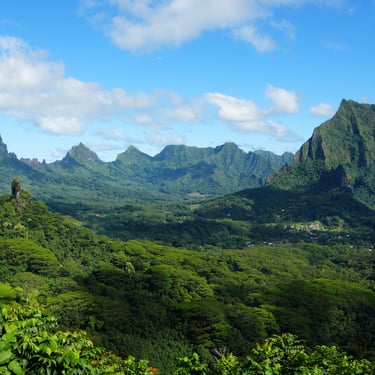
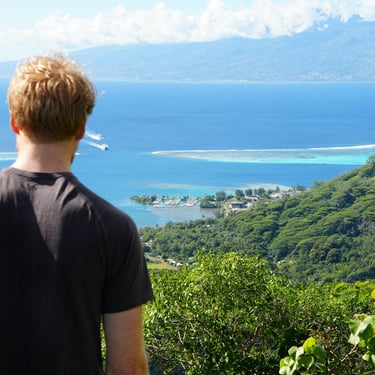
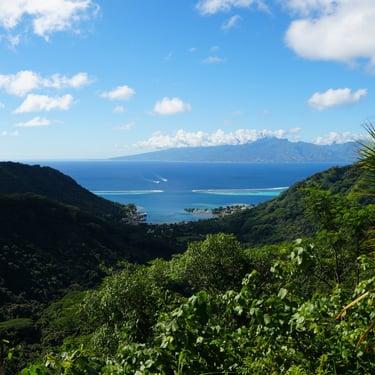
Finally, the next day the sun returned. Perfect timing. We took the dinghy ashore and tied it up at a small marina before starting our hike. The trail was beautiful. It felt almost like walking through a jungle, only without the concern of being attacked by wild animals. The final section before the summit was tough. The steep slope and slippery footing made every step a challenge, but it was all worth it. The view from the top was absolutely breathtaking. After taking it all in, we made our way back down, bought some fresh fruit from local vendors, restocked a few supplies at the supermarket, and returned to Tauha.
Now we are preparing for our next passage. Tomorrow should bring another beautiful day, and after a few final preparations we plan to leave for Huahine. The passage is about 100 nautical miles, so the idea is to depart around sunset and arrive around sunrise with enough daylight to enter safely. At least that's the theory. We are nervous about our first overnight passage, but we are also incredibly excited for this next step in our adventure. Wish us luck, and we'll see you in Huahine.
If you’d like to read more, follow our journey, and support what we do, don’t forget to subscribe to our newsletter or follow us on social media. Every bit of encouragement helps keep the adventure going and we’d love to have you aboard!